
Most safety programs today are doing what they were designed to do. They track incidents, support compliance, and help teams respond when something goes wrong.
What they don’t do well is show how risk builds during normal work.
That gap is becoming harder to ignore. Operations are faster, more complex, and more interconnected than they were even a few years ago. Serious risk is no longer tied to rare events. It comes from repeated exposure in everyday situations, the same routes, the same shared spaces, the same shortcuts that feel harmless until they aren’t.
Safety teams know this. The challenge has always been proving it early enough to act.
The limit of traditional safety data
Incident reports and audits tell you what happened. They don’t tell you what is happening.
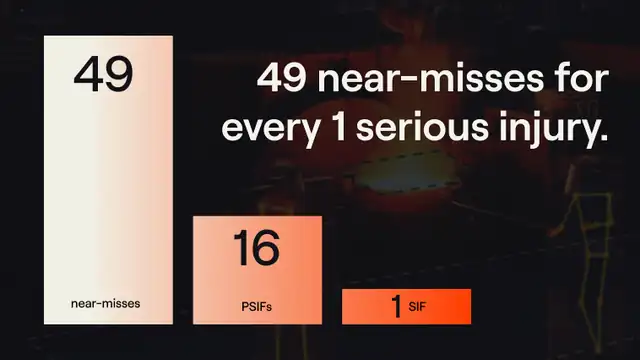
Most high-severity risk forms long before an incident occurs. It shows up in how people and equipment move, how spaces are shared, and how work actually gets done under real conditions. These patterns rarely make it into logs or dashboards because nothing has failed yet.
As a result, teams are often left managing risk based on assumptions, experience, and partial signals.
That approach doesn’t scale.
What changes with physical AI
Physical AI shifts the focus from outcomes to exposure.
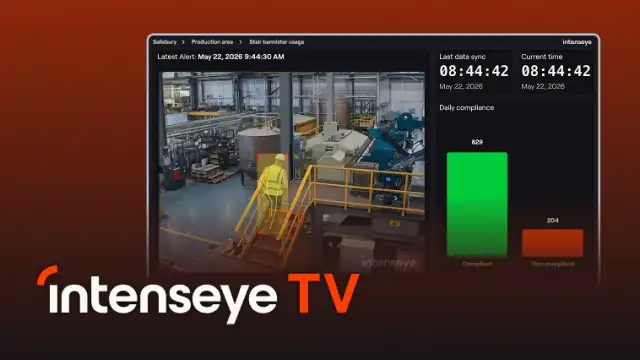
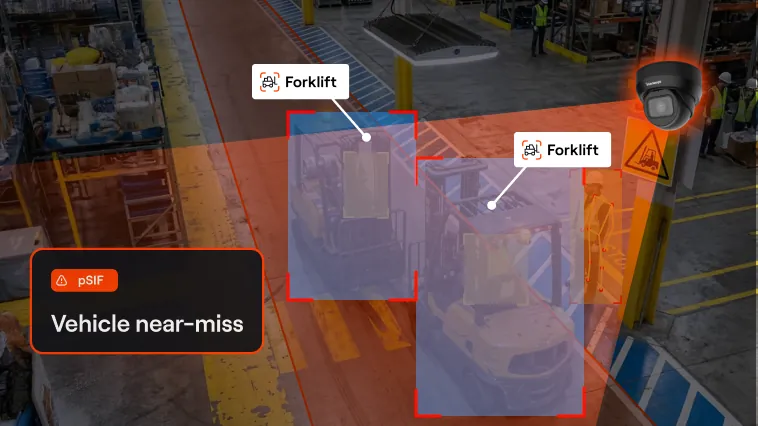
Instead of relying on self-reported data or periodic observation, physical AI systems interpret what’s happening in the environment itself. They surface patterns in movement, interactions, and behavior that are otherwise invisible at scale.
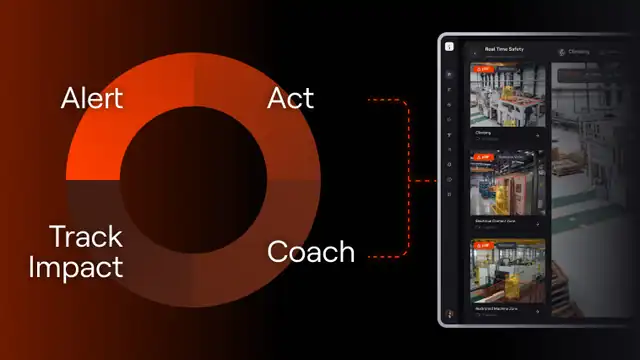
With Sentinel, Intenseye’s integrated hardware and software system, this insight is generated on site and delivered in a way safety and operations teams can act on quickly. The value is not in seeing everything. It is in seeing the right things early enough to matter.
This turns safety from a reactive function into an operational one.
What this signals about the future of safety
This is the direction safety is moving.
Not toward more reporting, but toward better visibility into real work. Not toward more controls, but toward earlier, more targeted intervention.
Physical AI doesn’t replace safety expertise. It strengthens it by giving teams a shared, objective view of where exposure is increasing and where action will have the greatest impact.
The organizations adopting this approach are not waiting for incidents to define their priorities. They are managing risk as part of daily operations.
A practical shift already underway
Physical AI is no longer experimental. It is being used today to reduce exposure, align safety and operations, and drive measurable improvement without disrupting work.
For many teams, Sentinel is becoming a core part of how prevention actually works, not as a dashboard, but as a way to see risk earlier and respond with precision.
That is what modern safety leadership looks like. Clear visibility. Informed decisions. Action before harm.