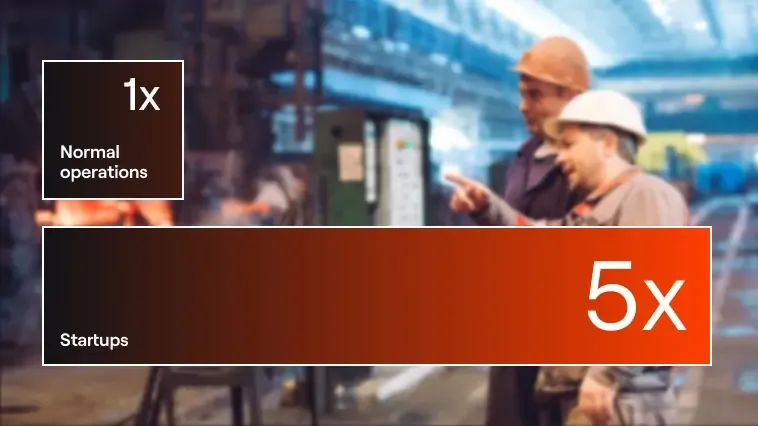


Non-routine tasks—like maintenance, shutdowns, startups, and changeovers—carry a disproportionate share of serious injury and fatality (SIF) risk. These infrequent tasks create temporary conditions, unfamiliar workflows, and tighter timelines that fundamentally alter workplace exposure.
This is a structural safety gap, not just a perception. When standard procedures pause for unusual tasks, the predictable environment safety relies on disappears. To protect workers, EHS leaders must recognize why these shifts happen and how to identify the risks they create.
What the Data Reveals About Non-Routine Work
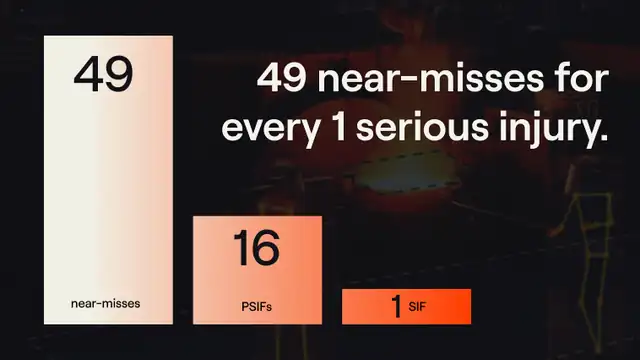
Federal investigations show that non-routine operations carry disproportionate risk. The U.S. Chemical Safety Board reports that process safety incidents occur 5× more often during startup than during normal operations, and that 50% of major incidents occur during startups, shutdowns, and other infrequent activities, despite these periods representing a small share of operating time.
At the national level, the Bureau of Labor Statistics recorded 5,283 fatal workplace injuries in the U.S. in 2023, with transportation incidents and falls among the leading causes. Both frequently occur during non-routine work such as maintenance, equipment movement, temporary access at height, and altered traffic patterns.
50%
of major incidents occur during startups, shutdowns, and other infrequent activities— CSB
Why Traditional Safety Controls Break Down
Most safety systems assume steady-state conditions. Job safety analyses, permits, audits, and observations expect stable layouts, predictable interactions, and known hazards.
Non-routine work upends these assumptions. During maintenance or shutdowns:
- Temporary barriers: Walkways and sightlines shift.
- Unfamiliar zones: Workers enter rarely accessed areas.
- Overlapping teams: Contractors and internal staff share space.
- Rapid exposure: Risks increase quickly, often unnoticed.
Risks rarely appear in data until an event occurs—by then, exposure has already built up.
Shifting from Task Compliance to Exposure Visibility
Reducing risk in non-routine work requires real-time visibility into evolving exposures. Instead of relying on static plans or post-task reviews, leading teams monitor how people, vehicles, and equipment interact during temporary operations.
This visibility enables earlier intervention. Teams can adjust plans, routes, or controls as the task unfolds, rather than reacting after an incident.
How AI Supports Safer Operations
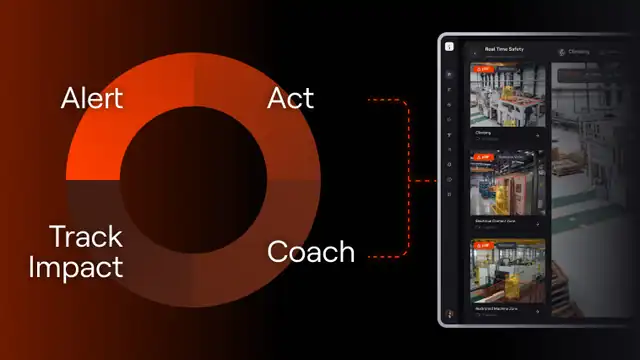
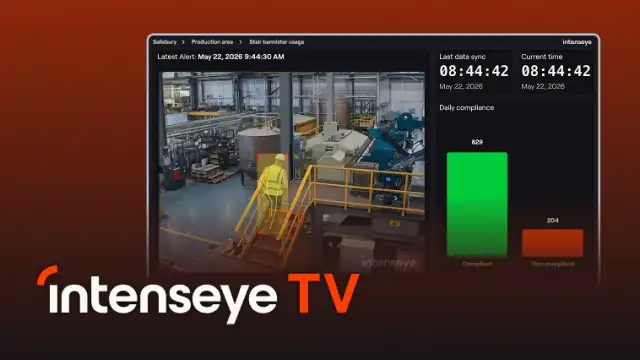
Intenseye helps teams manage non-routine work by making short-term, high-severity exposures visible as they form. Using on-site data on movement, proximity, and interactions, the platform reveals increased exposure during maintenance, startups, and changeovers—even without incidents.
Exposure is tracked over time and weighted by severity and frequency. Teams can distinguish brief exceptions from patterns signaling elevated SIF risk. Interventions range from real-time feedback to selective hard stops, allowing corrections while work is ongoing.
Preventing Exposure in Real Time
Non-routine work is unavoidable in industry, and risk arises from changing conditions, not just mistakes.
By focusing on exposure and real-time visibility, rather than after-the-fact reporting, safety teams can prevent incidents before they happen. This proactive approach transforms non-routine work from a source of harm to a managed risk.