
The phrase "AI agent" has been attached to enough enterprise software features over the past two years that EHS buyers are right to approach it with some skepticism. When everyone is calling their workflow automation an agent, the word loses meaning.
So here's a specific, practical description of what Chief — Intenseye's AI agent — actually does inside a safety program. Not the marketing version. The operational one.
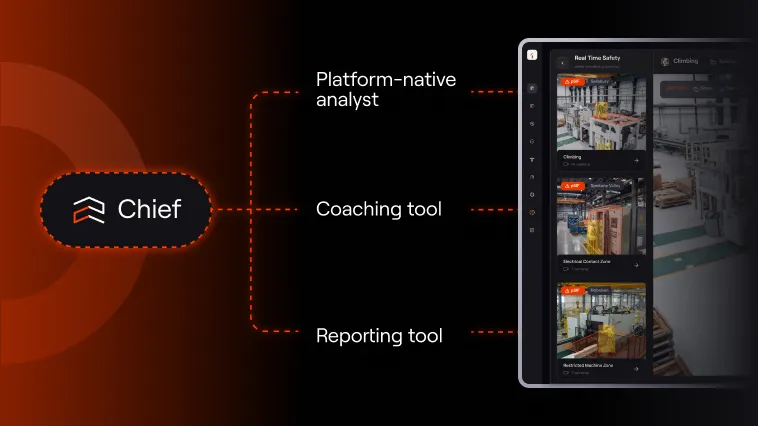
Chief is a platform-native analyst
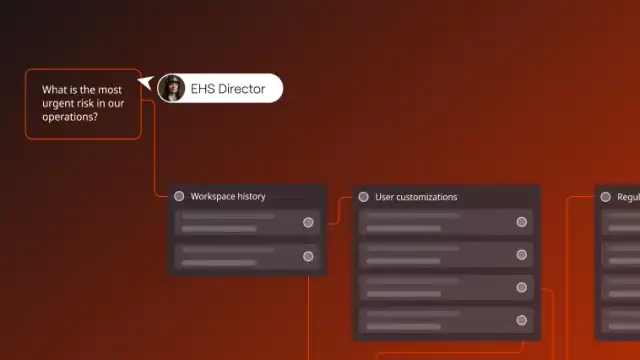
Chief is threaded through the entire Console Dashboard, not bolted on as a separate interface. That means it has access to the full context of the platform: real-time alerts, safety scores, corrective action status, historical trends, ergonomics data, cross-site performance.
The practical implication of this is that Chief can answer questions about your actual safety data — not generic questions about workplace safety best practices, but specific questions about your program. "How did our vehicle-pedestrian alert volume in the Ohio facility compare to last month?" "Which camera zones are producing the highest ergonomic exposure this week?" "What are the top three recurring risks across our facilities?"
Those answers come from your data, surfaced in plain language, without requiring an export or a manual query.
Chief as a coaching tool
One of the most time-consuming parts of EHS management is preparing coaching materials. After a near miss, an EHS manager needs to have a conversation with the worker involved — and that conversation should be specific, constructive, and grounded in what actually happened.
Doing that well requires time. The manager needs to review the footage, think through the relevant risk factors, identify what should have happened differently, and frame the conversation in a way that's useful rather than punitive.
Chief does that work in seconds. From a specific alert, it generates a coaching task with discussion talking points and concrete prevention steps — grounded in the event, not pulled from a generic template. The EHS manager reviews it, adjusts if needed, and has a coaching conversation that's actually useful.
This doesn't replace the manager's judgment. It removes the preparation overhead so the manager can focus on the conversation.
Chief as a reporting tool
EHS leaders regularly need to communicate program performance to facility managers, plant leaders, and executive stakeholders. Building those communications manually — pulling data from dashboards, writing summaries, preparing materials for safety meetings — takes time that doesn't add analytical value.
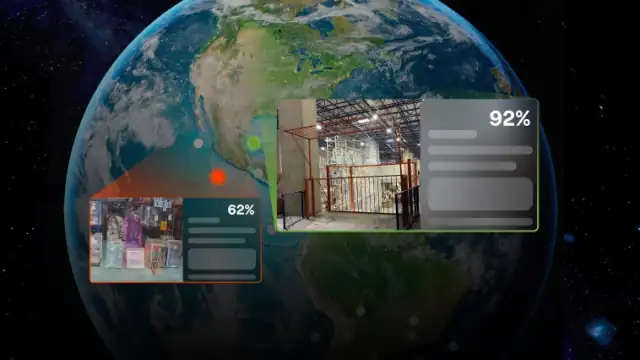
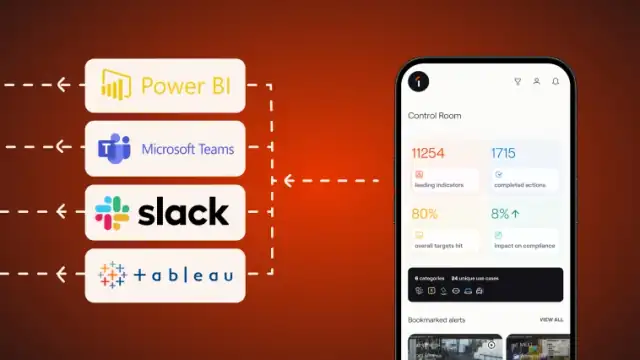
Chief can compare safety scores across facilities, summarize weekly performance, identify what's driving trend changes, and prepare structured outputs for different audiences: a summary for frontline supervisors, a presentation for an upcoming safety meeting, an email update for site leadership.
The output quality depends on the quality of the data in the platform. But for teams that are already using Intenseye's monitoring and corrective action capabilities, the data is there — and Chief can package it for the right audience without requiring someone to build that package manually.
What Chief doesn't do
Chief doesn't replace EHS expertise. It doesn't make decisions for safety teams. It doesn't catch risks that the underlying detection layer isn't surfacing. And it doesn't invent data — its outputs are grounded in what the platform has actually recorded.
For EHS buyers evaluating AI features in safety software, the right question is not "does this system have an AI agent?" It's "does the AI agent have access to my actual operational data, and does it help my team do specific things faster?"
The answer to both of those questions, for Chief, is yes. Whether that's useful depends on how your team currently spends its time — and where the gaps between seeing risk and acting on it are costing you the most.