















INDUSTRIES / METALS & STEEL
Real-time visibility for Metals & Steel operations
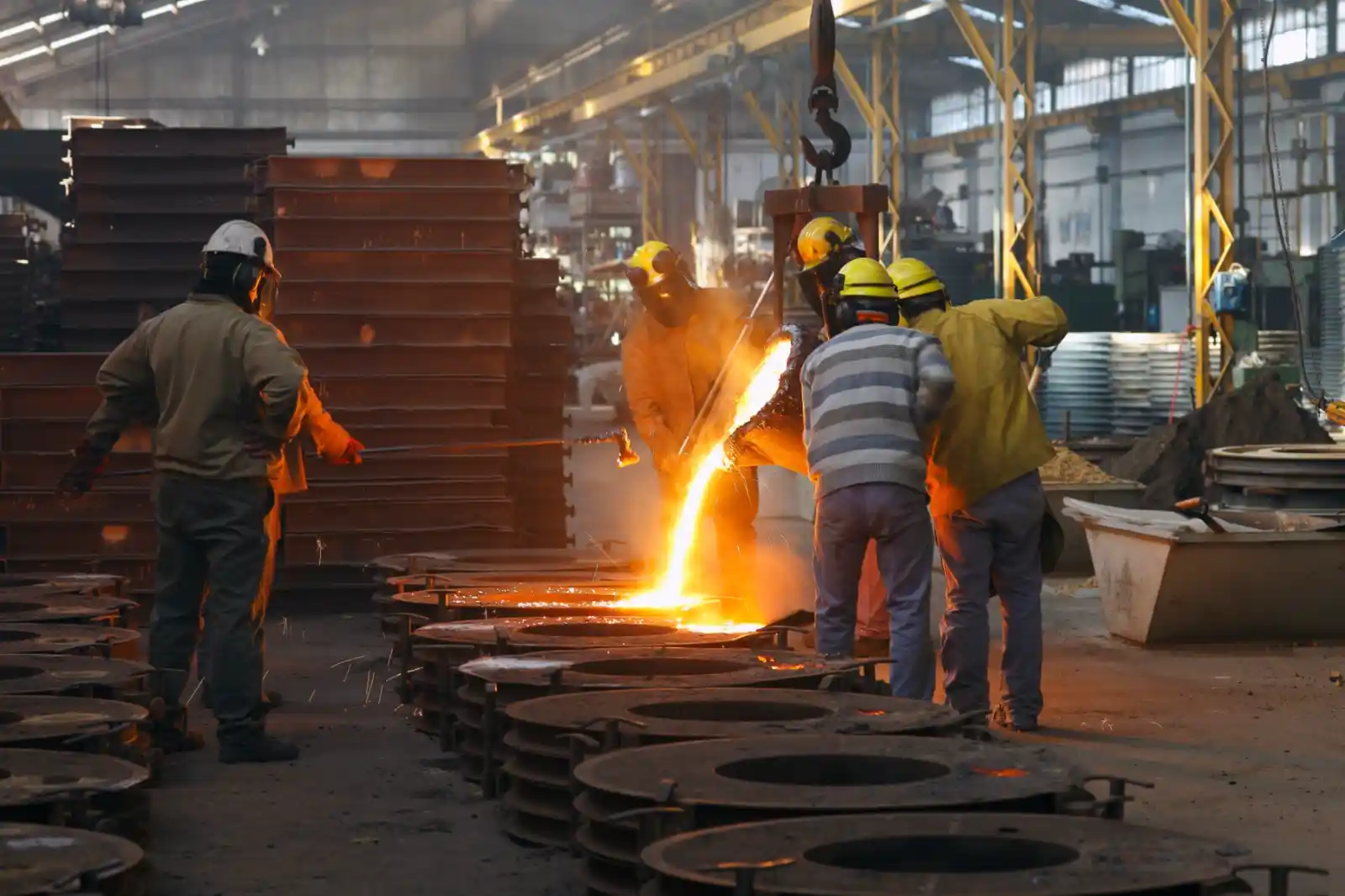
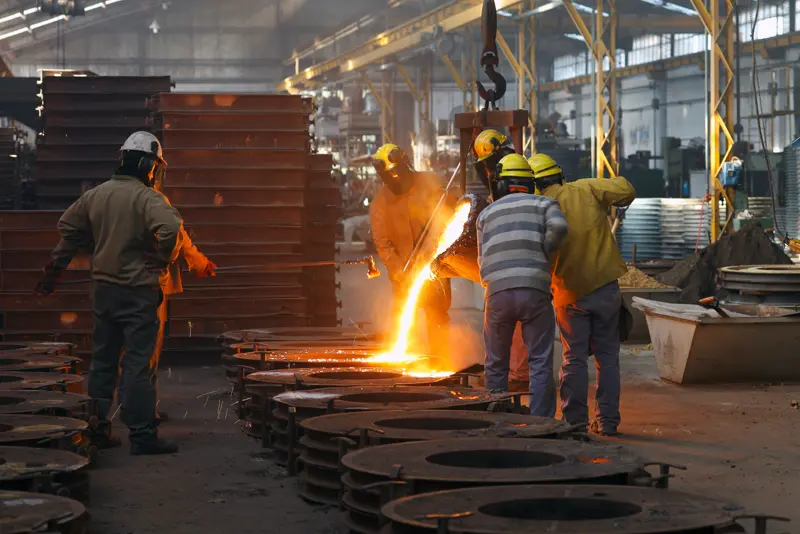
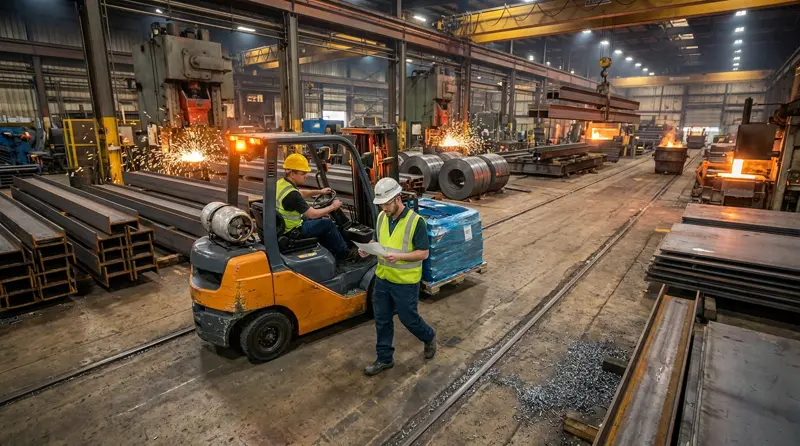
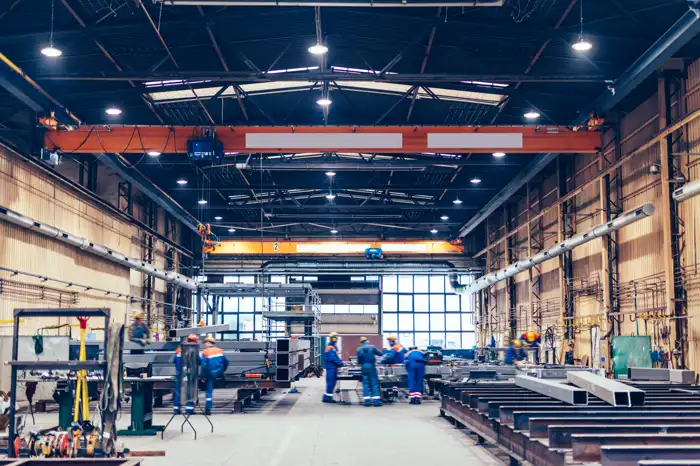
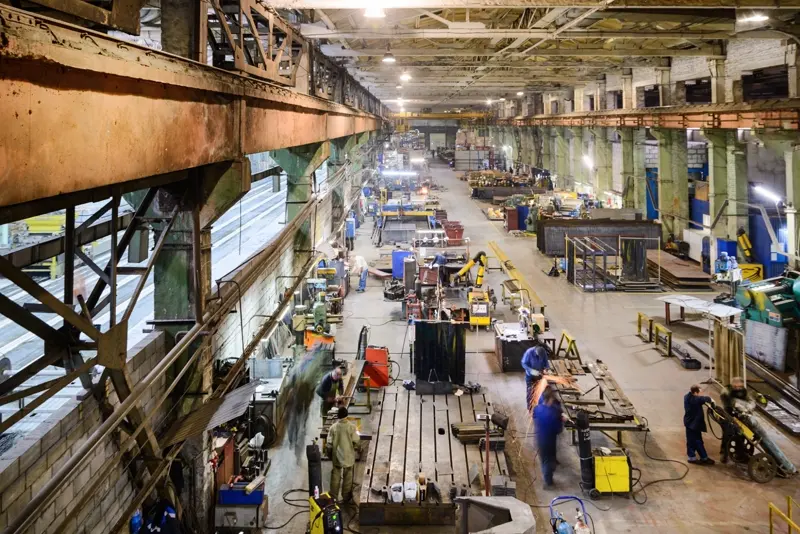
Metals and steel operations run hot, heavy, and nonstop. Intenseye helps safety teams detect serious-injury risks across melt shops, rolling mills, crane bays, hot-work zones, and mobile equipment areas before they injure workers or stop production.
50+
high-energy hazards detected out of the box
24/7
on every bay and line, every shift
~0.8s
to a machine stop at a mill or press



AI SAFETY FOR METALS & STEEL
Why metals floors are the hardest to keep safe.
Detect
50+ high-energy hazards, the instant they appear.
Warn & stop
A voice warning, or a machine stop in ~0.8s.
Prove
Leading indicators that show risk falling.
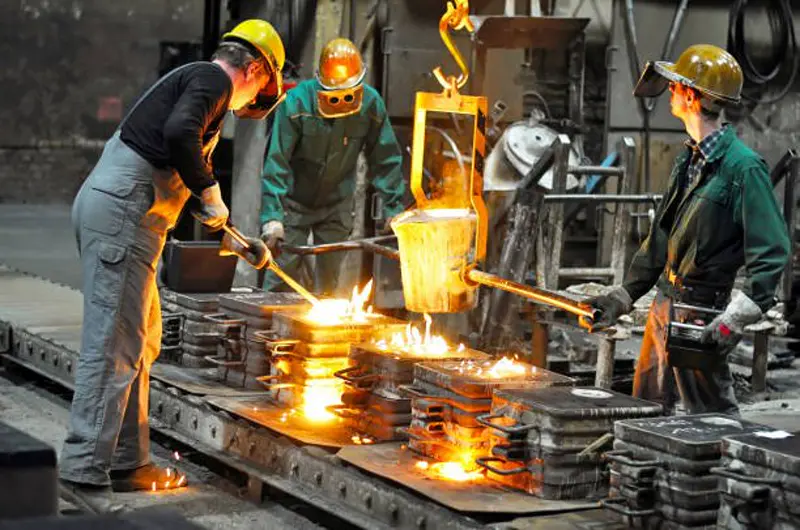
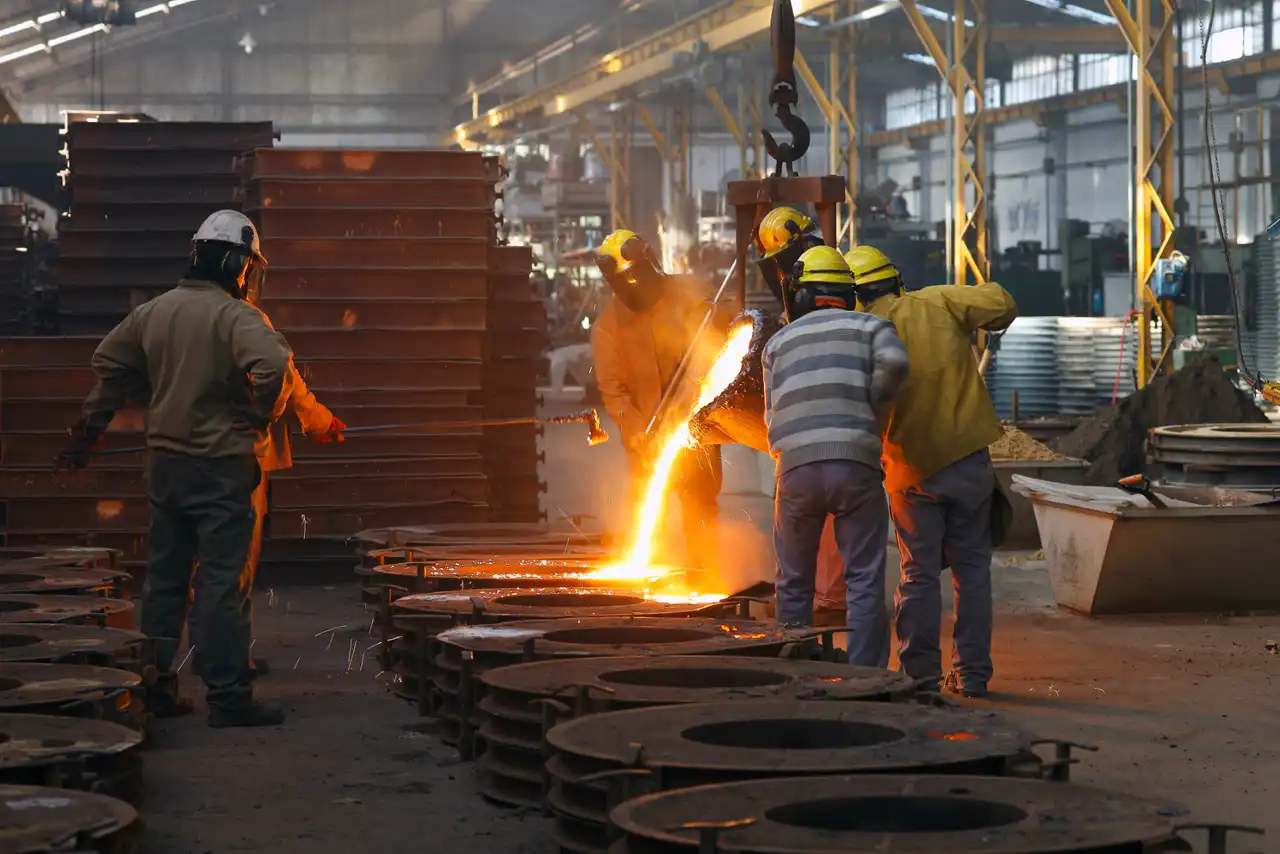
Melt shops, casters, rolling mills, overhead cranes, and the heaviest mobile equipment in industry - running hot, around the clock. That's where the most severe injuries happen.
Intenseye uses computer vision on the cameras you already run - plus Sentinel Thermal for heat and fire - to detect the unsafe acts and conditions that cause them, in real time: warning workers, stopping machines, and proving risk is falling across every bay and shift.
WHERE THE SIFs COME FROMFour hazards drive the worst
Four hazards drive the worst
injuries - Intenseye sees them coming.
We act on the leading signal, the unsafe act, the moment it happens – not the lagging injury report that only counts people after they're hurt.
USE CASES ON THE FLOOR
The use cases that matter on a metals & steel floor.
50+ detections, organized the way mill safety teams think - from the melt shop to the rolling mill to the yard. Pick a scenario to see what Intenseye watches, and why each one matters on a real floor.
Categories
7
Categories
28
Hazard types
Crane & suspended-load exposure
Learn more Detects a person under the load or in the lift & swing path and alerts the area before contact.
Hazards detected
- Person under suspended loadCRITICALWorker beneath a lifted load.
- Ground crew in lift pathCRITICALCrew in the path of a moving bridge crane.
- Worker in crane swing zoneCRITICALEntry to a barricaded lift exclusion zone.
- Tag-line handler too closeMODERATEExposure to load swing during the move.
THE DIFFERENTIATORMost safety AI just watches.
Most safety AI just watches.
Intenseye steps in.
A worker reaches into a running conveyor. Same hazard, same instant - but observation only logs the risk. Intervention prevents the injury.
Observe-only AIJust watches
 Steps in
The moment
Reach-in at a running conveyor logged “for review.”
Reach-in detected in real time - response starts instantly.
Worker warned
No warning reaches the floor.
Sentinel Speaker calls the hazard out - the worker pulls back.
Machine response
The machine keeps running - nothing is halted.
Hard Stop halts the machine in ~0.8s - before contact.
Follow-up
The hazard stays open until someone reviews it.
A corrective action is created, owned, and tracked to done.
Outcome
Stops at a notification.
Prevents the injury.
YOUR CAMERAS OR OURS
Flexible coverage for every environment
Sentinel Hub offers universal compatibility, connecting seamlessly with both Sentinel devices and your existing CCTV. Start fast with the setup you already have, and expand anytime with flexible options.
SENTINEL
YOUR CCTV
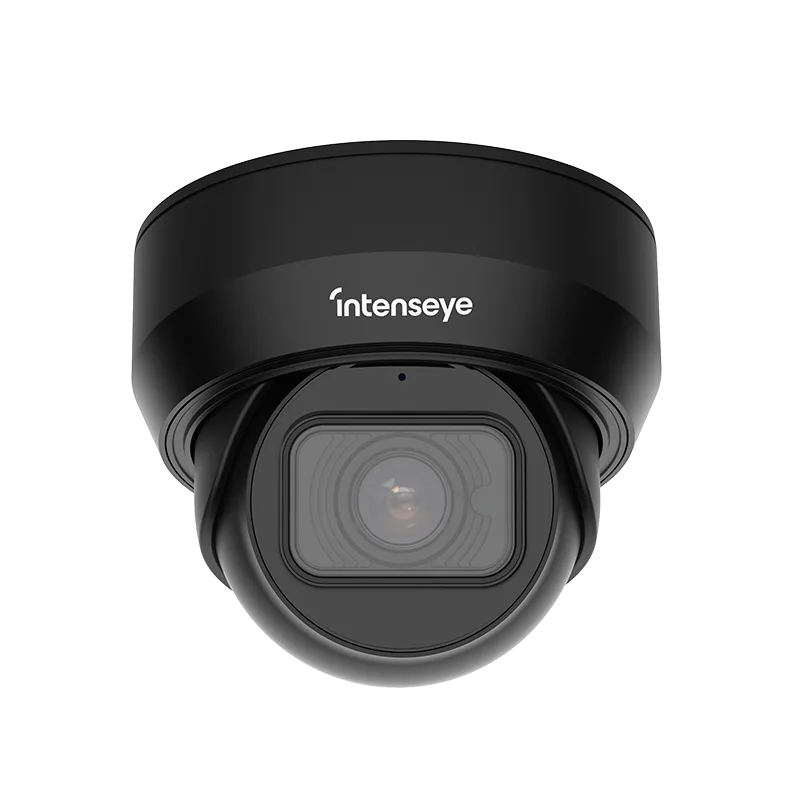
Core
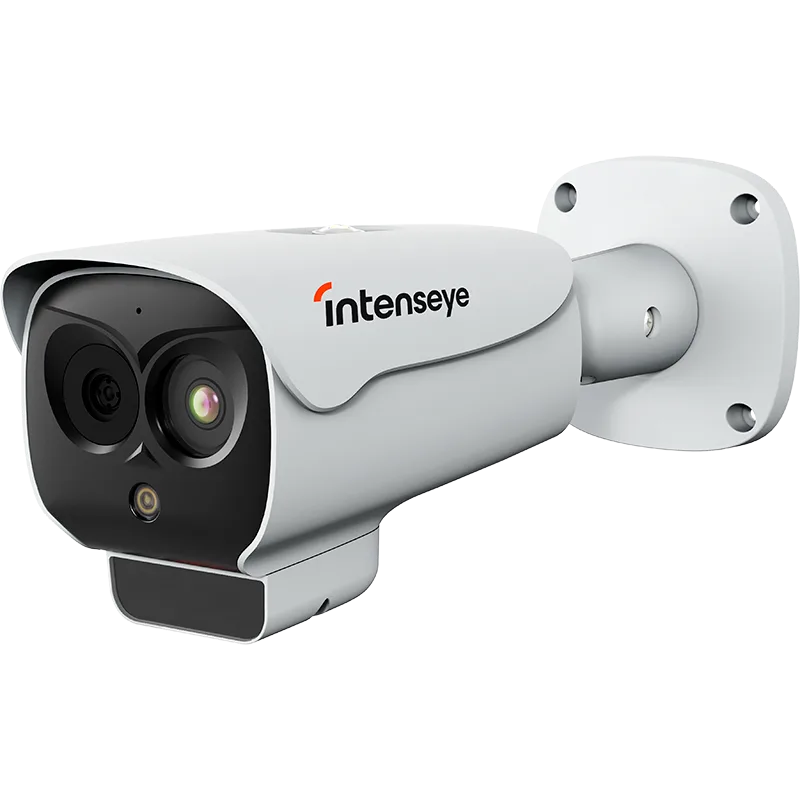
Thermal
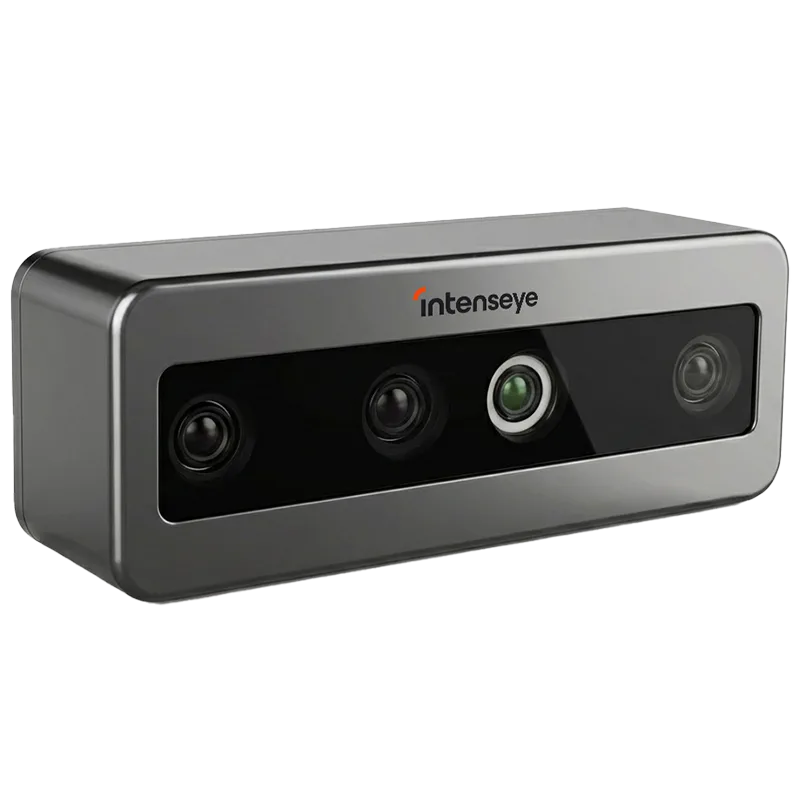
Depth
Dome
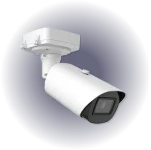
Bullet
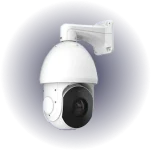
PTZ
SENTINEL HUB PRO
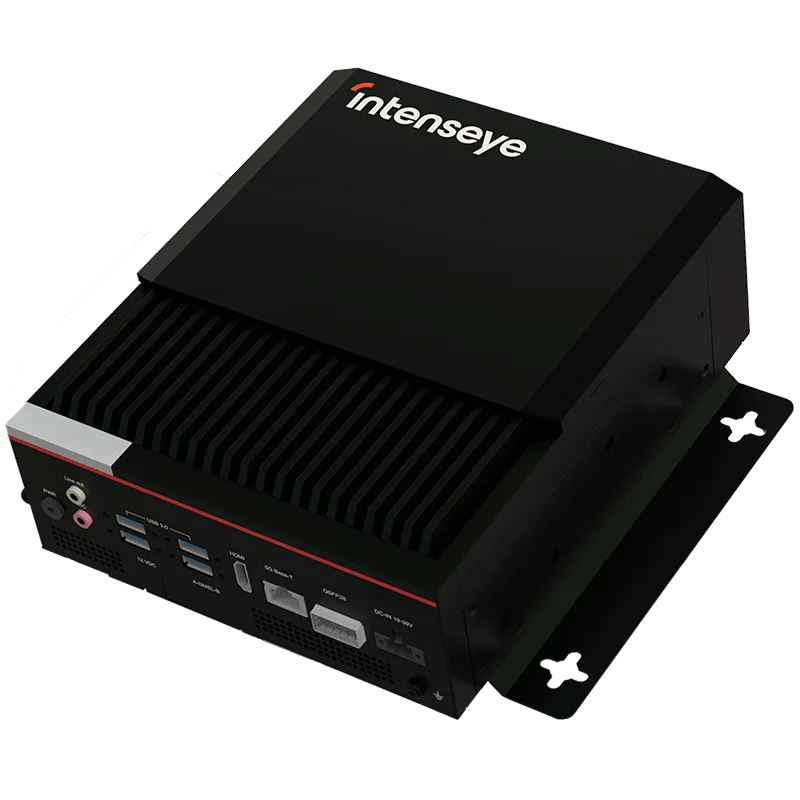
ON-SITE AI
RECOMMENDED FOR THIS ENVIRONMENT
Hardware tuned to the metals floor.
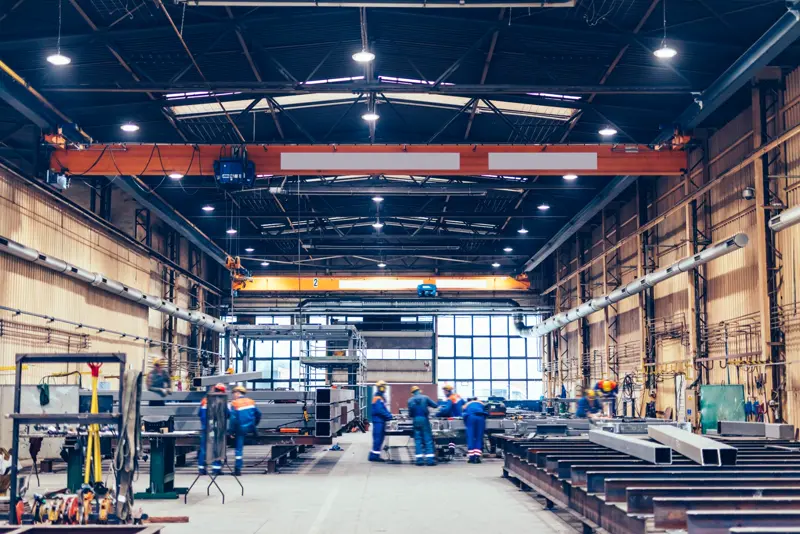
Metals and steel sites need visibility across hot areas, molten-splash zones, crane bays, rolling mills, presses, shears, and machine danger zones. Sentinel devices help cover the use cases standard cameras miss - from thermal detection and 3D machine guarding to sub-second stops and wide-area monitoring.
Explore all Sentinel hardwareHeat, molten & early fireSentinel Thermal Sees radiant heat, molten-splash exposure, and early-stage fire a normal camera can't.3D machine guardingSentinel Depth Sees reach-in at a mill or press in true 3D - depth, not a flat trip-line.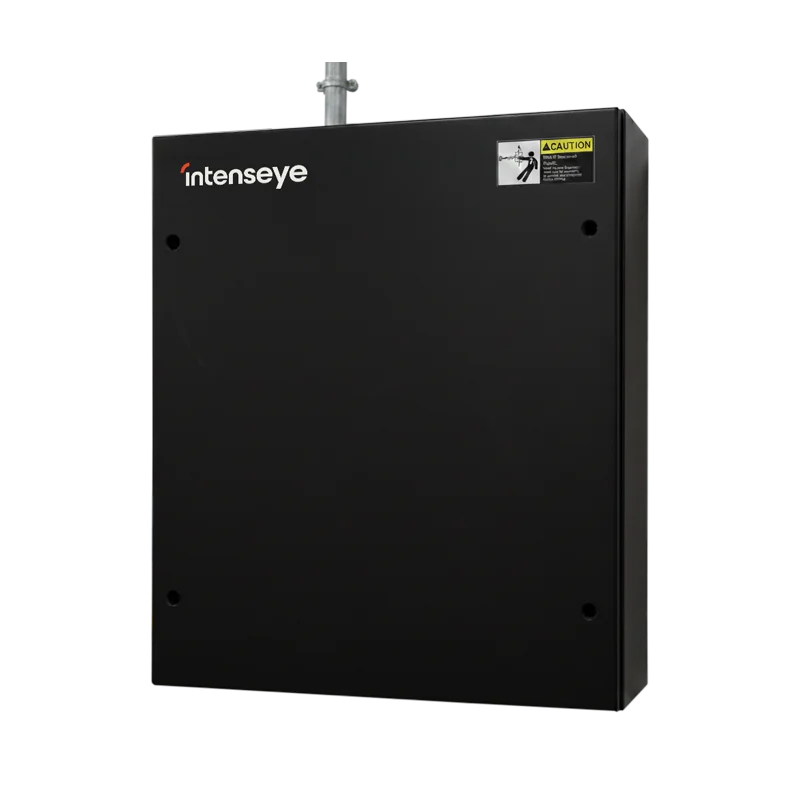 Sub-second machine stopHard Stop Halts a mill, shear, or press in ~0.8s the instant the danger zone is breached.Coverage & edge computeSentinel Core / Hub Pro Wide-area coverage and high-density edge compute that scale across the largest mills.
PROOFOur customers measure success
Our customers measure success
in injuries that didn't happen.

01The challenge
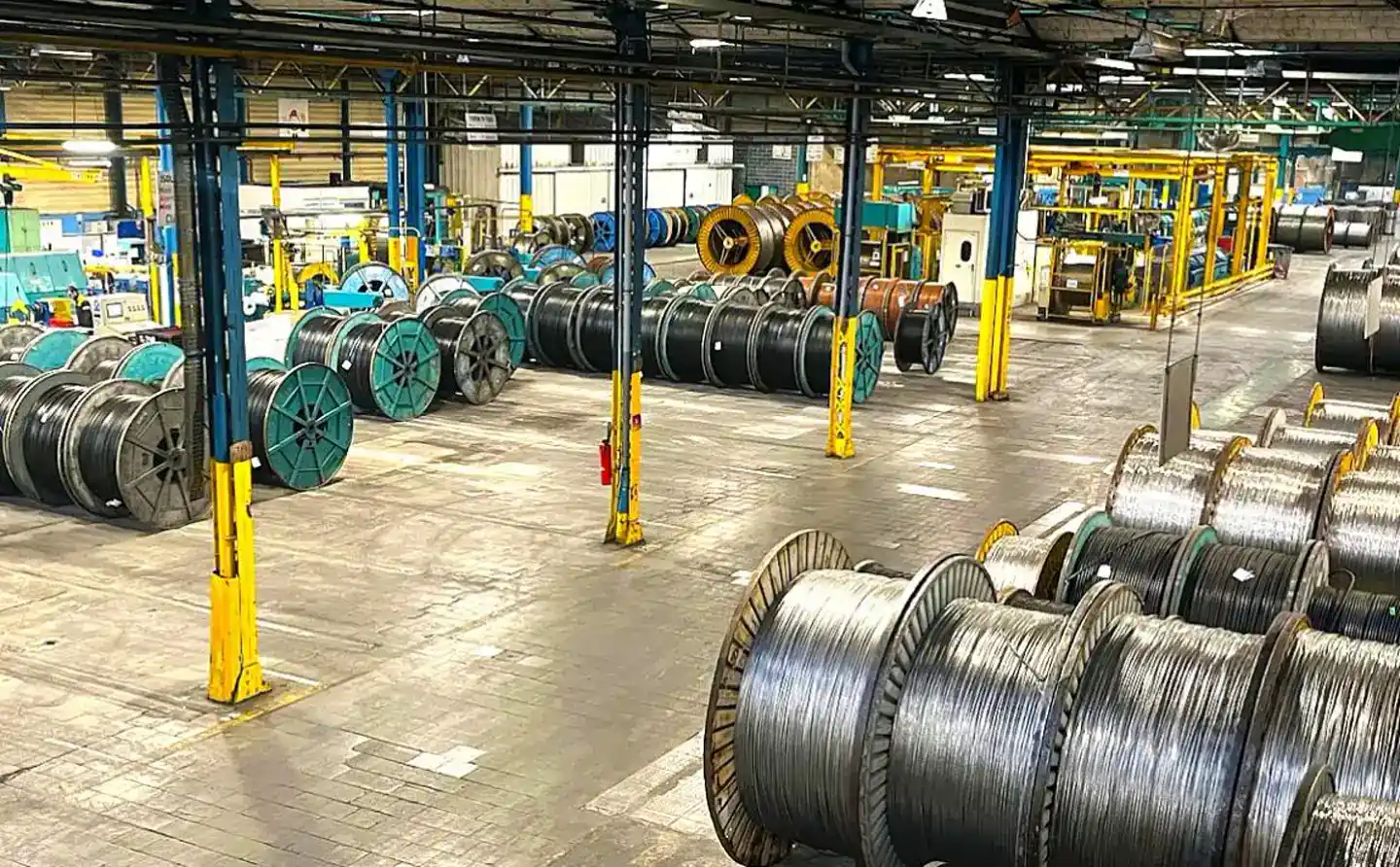
At Nexans, safety relied on manual observation and periodic audits, so high-risk zones - forklifts, rotating machinery, and electrical hazards - went unwatched between walkthroughs. Recurring lapses in lockout/tagout, PPE, and stair use kept slipping past the team.
14,264
Unsafe conditions & behaviors identified across monitored areas
02What Intenseye did
Intenseye connected to Nexans' existing cameras - 90%+ coverage with no new hardware - and deployed 45+ AI safety use cases mapped to the company's golden safety rules. Real-time alerts, risk heat maps, forklift slowdown zones, and enhanced signaling turned every monitored area into a 24/7 check.
90%+
Compliance across key safety rules
03The outcome
Critical unsafe acts fell 96.4% at the lead site - preventing 14 recordable injuries and one lost-time injury, and analyzing risk the equivalent of 3.7 safety-officer years.
96.4%
Critical unsafe acts at the lead site
14
Recordable injuries prevented
INTEGRATIONSConnect to the systems
Connect to the systems
your team already uses.
Stream real-time safety intelligence into your EHS platform, analytics tools, and daily workflows to keep every system aligned with the latest safety data.
- Automate safety alerts, incidents, tasks, and analytics.
- Embed AI safety observations into existing EHS workflows.
- Surface the highest-priority risks automatically.
- Track urgent concerns and emerging hazard trends at a glance.
REGULATORY & COMPLIANCE
Built around the standards your plant already answers to.
Intenseye's detections map directly to the OSHA standards that drive citations and SIFs in metals & steel - and the leading-indicator record shows what happened and what you did about it.
1910.147
Control of hazardous energy (LOTO)
Detect reach-in and entry at mills and furnaces during operation or servicing.
1910.212 / .217
Machine guarding & power presses
Flag missing guards and personnel inside the point-of-operation zone of mills, shears, and presses.
1910.179
Overhead & gantry cranes
Detect people under loads, in lift paths, and inside crane exclusion zones.
1910.178
Powered industrial trucks
Capture forklift- and loader–pedestrian proximity, over-speed, and right-of-way conflicts.
1910.252
Welding, cutting & brazing (hot work)
Flag hot-work zone breaches and missing controls; catch early fire with Sentinel Thermal.
1910.146
Permit-required confined spaces
Monitor entry to and occupancy of vessels, furnaces, and pits.
1910.132
Personal protective equipment
Verify face shields, heat-resistant gear, hard hats, and respiratory protection where required.
1910.22 / .23
Walking-working surfaces
Flag slip, trip, and fall hazards on walkways, stairs, and elevated platforms.
Informational mapping - not legal advice. Standards cited are US OSHA general-industry references.
EXPLORE OTHER INDUSTRIES
Deployed for safety across heavy industry.
RESOURCES
Go deeper on safety
SIF Thought Leadership Report
Download PDF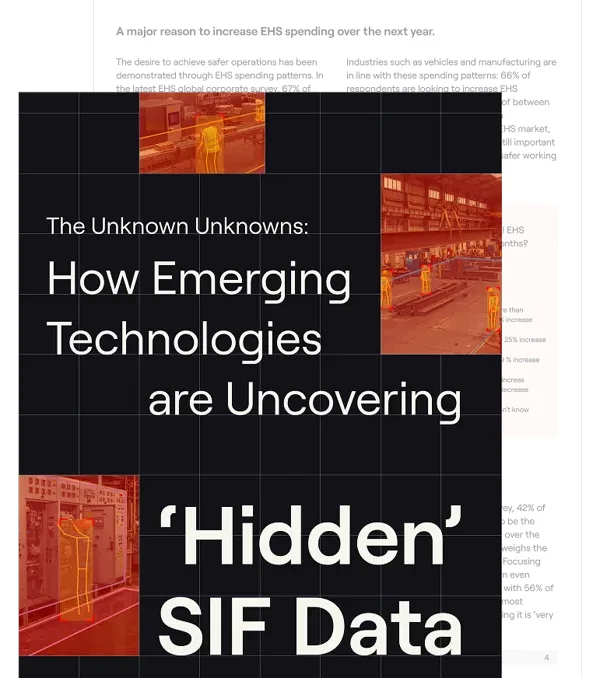
Mastering SIF Prevention Through Real-Time Safety Management
Download PDF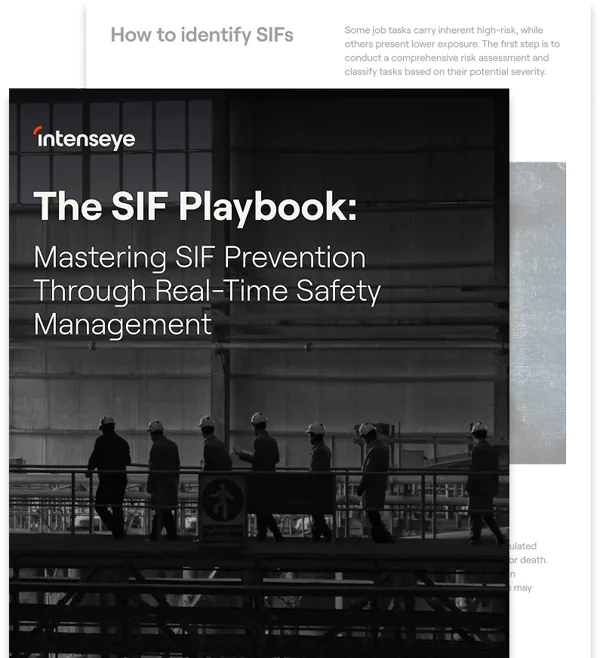
FAQ
Your questions, answered.
Built for EHS and operations leaders. Still have a question?
Does Intenseye work with our mill cameras?
Yes - about 90% of IP cameras across 200+ brands, out of the box. Add Sentinel only where a normal camera can't see: Thermal for heat and fire, Depth for mill machine-guarding.
How does it prevent a SIF at a crane or a mill?
It detects the leading-indicator hazard - a person under a suspended load, a reach-in at the mill, a missing guard - the instant it happens, warns the worker, and can trigger Hard Stop to halt the mill or press in about 0.8 seconds.
Can it detect heat & fire?
Yes - Sentinel Thermal sees heat, molten-splash exposure, overheating equipment, and early-stage fire that a normal camera can't.
Which hazards matter most in metals & steel?
Cranes & suspended loads, mill & machine guarding, heat / molten metal / fire, mobile equipment, LOTO, and confined-space entry - 50+ detections in total, mapped to the OSHA standards that drive citations.
Do you use facial recognition?
No. Everything is processed on-site, anonymized, with no facial recognition or biometric identification - SOC 2 Type II.
How fast do results show?
Most producers see measurable risk reduction in under six months - fewer unsafe acts, fewer recordables in monitored areas, and an audit-ready leading-indicator record.
SEE IT ON YOUR FLOOR
See what Intenseye can do across your operations.
Meet with our team to explore how Intenseye can help detect your top safety risks, prioritize the use cases that matter most, and bring real-time visibility to the areas where incidents are most likely to happen.