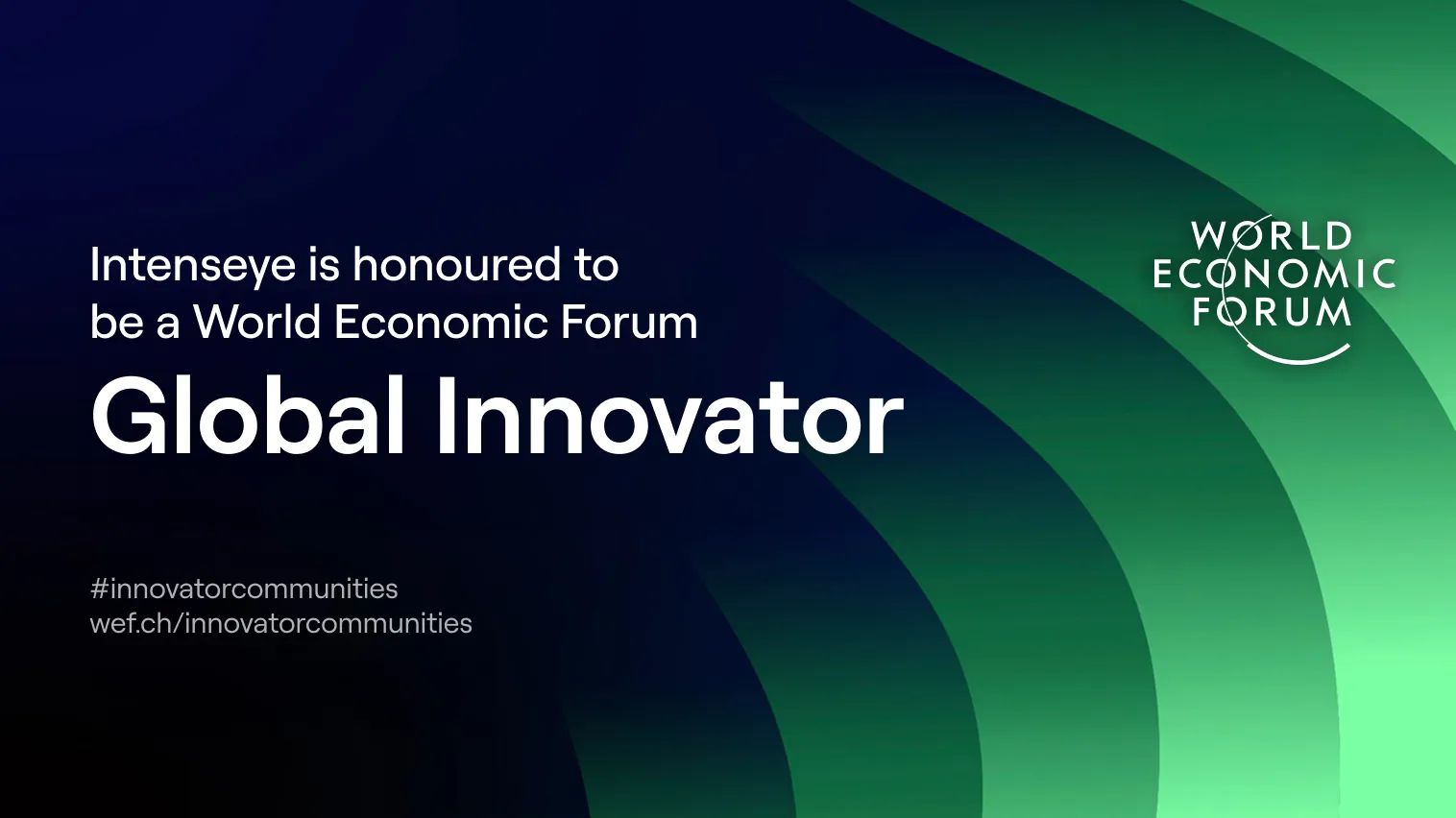


Intenseye has been recognized as a Global Innovator by the World Economic Forum (WEF), marking an important milestone in our growing collaboration with the Forum and its Innovator Communities. This transition reflects more than growth. It signals a shift in how industrial safety, applied AI, and frontline work are viewed on the global stage.
The Global Innovators community brings together companies that are deploying emerging technologies at scale and contributing real-world insight to conversations about the future of work, manufacturing, and human–machine collaboration. For Intenseye, this recognition reinforces the pivotal role industrial safety now plays in shaping those conversations.
Why Industrial Safety Has Become a Global Issue
Workplace safety is often treated as a local operational concern — something managed facility by facility. In reality, it has evolved into a global systems challenge with direct implications for workforce stability, productivity, and supply chain resilience.
Preventable injuries continue to cost millions of workdays each year. At the same time, manufacturers are facing persistent labor shortages, aging workforces, and rising pressure to maintain output amid disruption. Unsafe environments compound all of these challenges by driving absenteeism, turnover, and operational downtime.
As manufacturing becomes more interconnected, the impact of safety failures no longer stops at the facility level. A single incident can ripple across regions, suppliers, and markets, creating systemic risk that traditional models struggle to contain.
The Limits of Traditional Safety Models
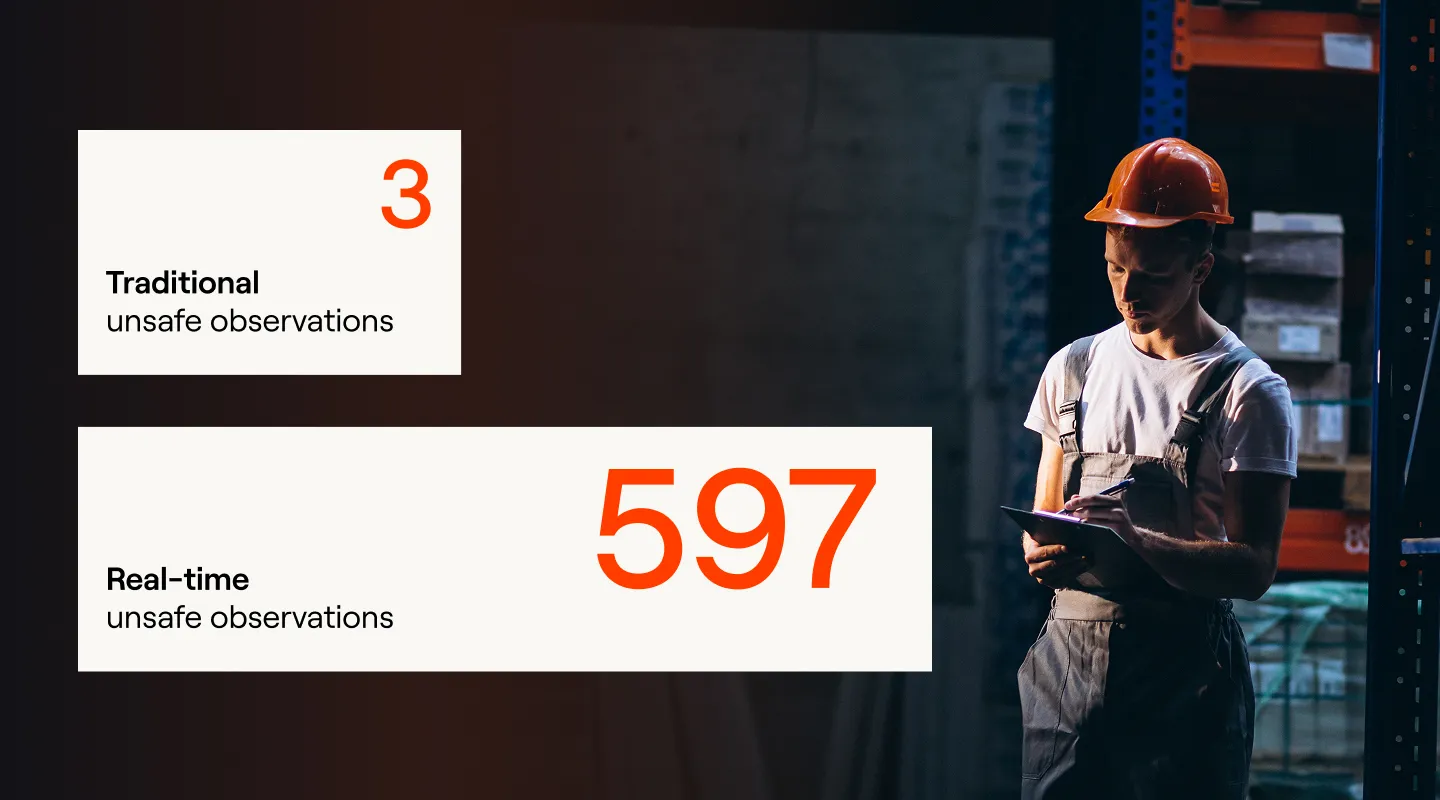
Most safety programs were built for a different era. They rely heavily on lagging indicators, periodic audits, and manual observation. While these tools provide value, they struggle to keep pace with dynamic, high-risk environments.
SIFs are rare by nature, which makes them poor signals for prevention. Audits offer snapshots in time rather than continuous visibility. Consequently, safety teams are often forced to react after risk has already escalated.
This is not a failure of intent or expertise. It is a structural limitation of systems that were never designed to detect risk as it unfolds.
How Applied AI Changes Risk Management
Applied AI introduces a different way to manage safety. It does not replace people or automate high-stakes decisions. Instead, it reveals patterns that are otherwise invisible to the human eye.
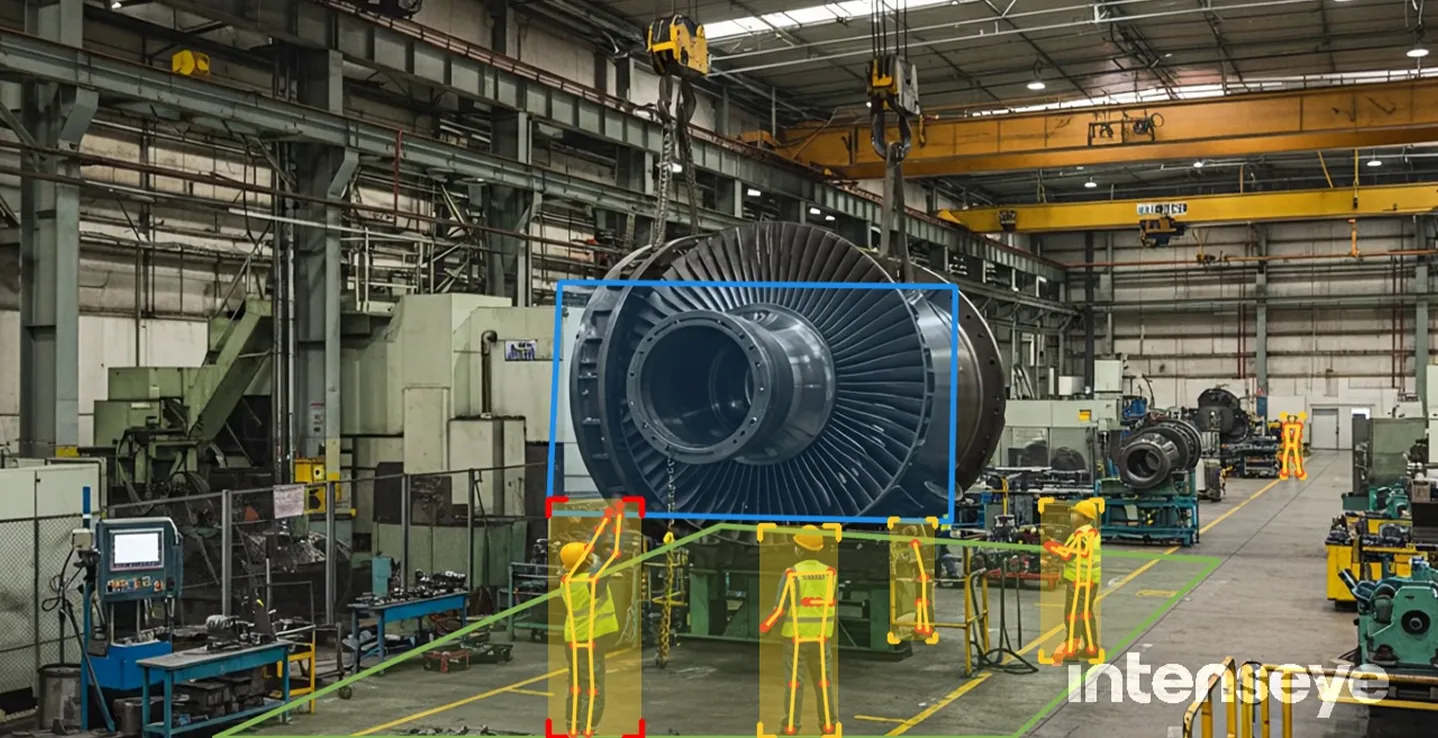
When AI is deployed responsibly in physical environments, it can identify leading indicators of risk in real time. Subtle changes in behavior, proximity, or exposure that precede serious incidents become visible early enough to intervene.
The impact comes from anticipation, not alerts. The goal is to reduce high-severity exposures and close calls, giving safety teams the time they need to act before harm occurs.
Human–Machine Collaboration in Practice
In industrial settings, AI does not operate in isolation. It works alongside people who understand the context, constraints, and realities of the job.
Effective safety systems are designed to support human judgment, not override it. They provide timely insight, reduce cognitive load, and enable faster, more informed decisions. Just as important, they are built with privacy, fairness, and worker trust at the center.
Responsible deployment matters most where the consequences are physical and immediate. This is where theory meets reality, and where the right technology can save lives.
Real-World Insight in Global Dialogues
Much of the global conversation around AI focuses on digital environments. Industrial settings introduce a different set of challenges, where humans and machines share physical space and risk cannot be abstracted away.
Real-world deployment surfaces questions that policy frameworks alone cannot answer. How do you measure impact beyond efficiency? How do you design systems that workers trust? How do you scale AI responsibly across diverse facilities and cultures?
These are the questions that shape meaningful progress. They require insight from environments where AI is already operating under real constraints.
Safety as a Strategic Advantage
Forward-looking organizations are beginning to recognize safety as a driver of competitiveness, not just compliance. Safer workplaces attract and retain talent, reduce disruption, and create the conditions for sustained productivity.
This shift is especially visible in manufacturing, where workforce availability and resilience are now strategic priorities. Investing in safety is increasingly tied to innovation, employee engagement, and long-term performance. Safety has moved from the margins of business strategy to its core.
Key Takeaway
Safer workplaces attract and retain talent, reduce disruption, and create the conditions for sustained productivity.
What the Global Innovator Role Enables
Joining the World Economic Forum’s Global Innovators community reflects Intenseye’s experience operating at the intersection of AI, industrial environments, and workforce safety. It also carries a responsibility.
The role of a Global Innovator is not to promote technology, but to contribute insight. To share what works, what does not, and what needs to change as AI continues to shape the future of work.
Through this collaboration, Intenseye will continue to bring frontline perspective into global discussions on applied AI, responsible deployment, and human–machine collaboration.
Progress in safety will not come from any single company. It will come from shared learning, aligned frameworks, and a collective commitment to protecting the people who keep industry moving.