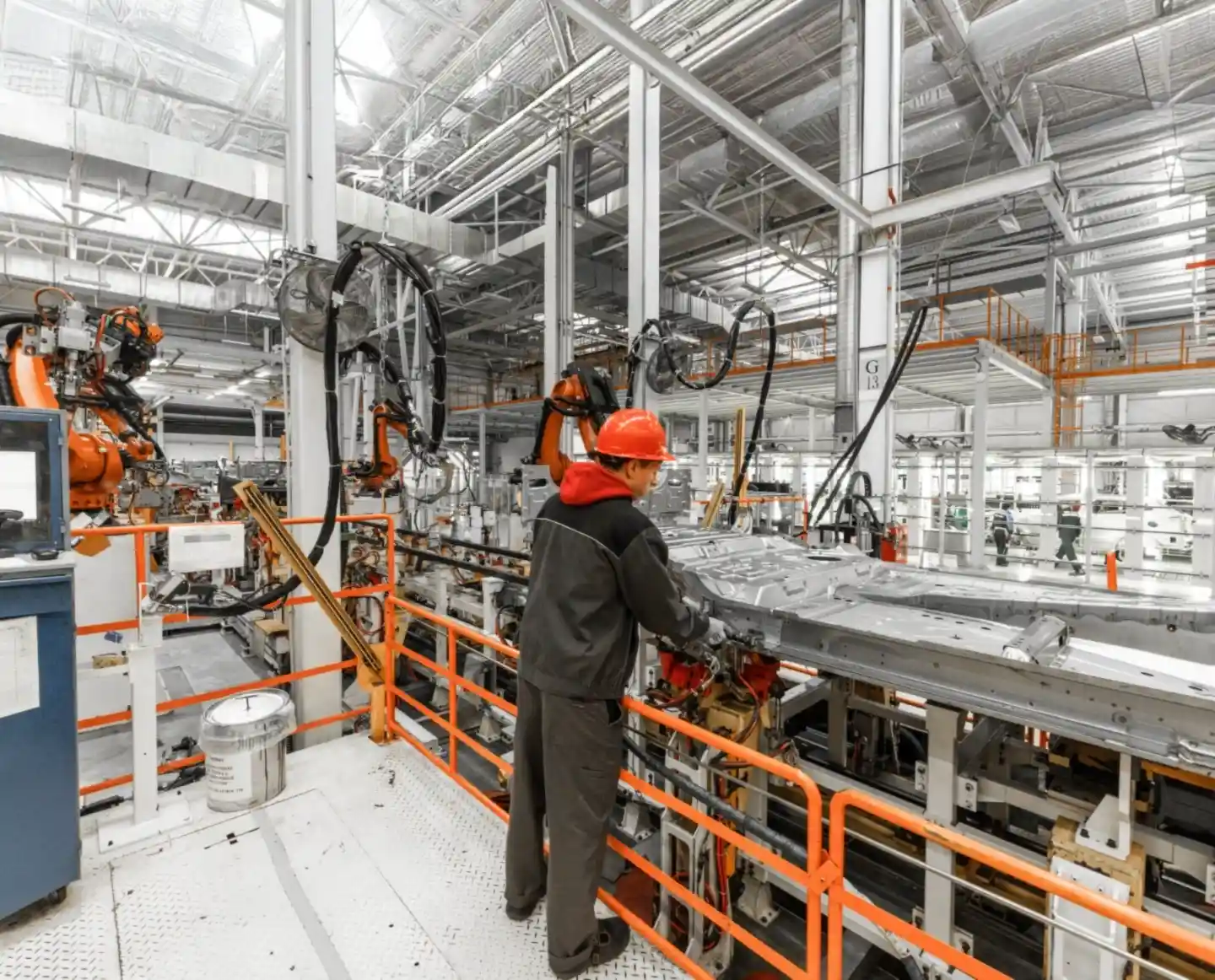


AI has long helped EHS teams identify risks earlier and make faster decisions. Yet most systems still operate after the fact. In dynamic industrial settings, safety intelligence needs to live where work happens, at the intersection of people, machinery, and motion.
Physical AI addresses this gap by embedding intelligence directly into real-world operations. As Sentinel moves from concept to deployment, this blog takes a closer look at how its architecture enables real-time safety, connecting computer vision with site operations so teams can see, understand, and act on risk as it emerges.
Built to Protect
Each Sentinel device interprets conditions such as heat, motion, proximity, and speed to build live awareness of what is happening on the floor. Instead of depending on manual observation or periodic reporting, Sentinel delivers continuous visibility across critical areas where risk can change quickly.
When unsafe activity or environmental change is detected, the system can issue alerts or connect with machinery to stop unsafe motion. This direct connection between detection and response allows teams to prevent incidents rather than only analyzing them afterward.
The Sentinel Hub
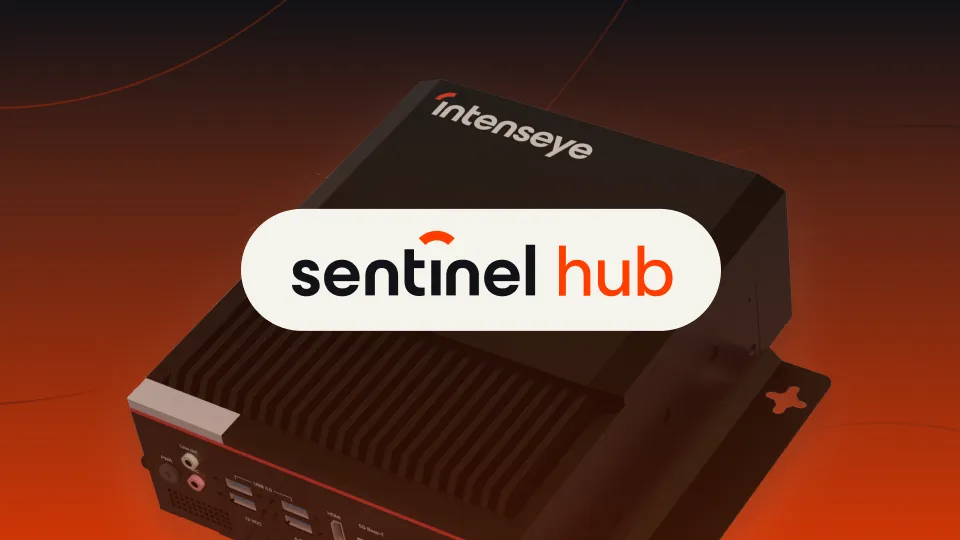
At the center of the system is the Sentinel Hub, an on-site processor that powers all connected devices. It runs advanced computer vision models locally using the NVIDIA Jetson Orin NX, built for high-performance AI at the edge and NVIDIA DeepStream SDK for optimized streaming pipeline.
This local design removes the need for cloud processing, keeping latency to a minimum and ensuring that all data stays within the facility’s secured network. The Hub manages both Sentinel and existing site cameras, creating a unified network that combines new and legacy systems without major infrastructure changes.
Sentinel is ready to support the next generation of NVIDIA Jetson modules, which will increase throughput and efficiency for real-time video inference. This compatibility ensures that each Sentinel deployment continues to benefit from advances in NVIDIA’s edge computing platform.
Real Results in the Field
In early deployments, Sentinel’s architecture has already shown measurable results. At Oldcastle APG, the team connected Sentinel to their existing PLC systems, allowing it to stop machinery when unsafe motion occurred. The result was a sharp drop in intervention time and a visible reduction in high-severity risks within weeks of activation.
“Even with great training and culture, you can’t guarantee everyone’s safety. With Intenseye’s Sentinel, we’re finally closing that gap.” — Bob Malin
The same architecture supports a range of real-time responses, from stopping equipment to triggering local audio warnings or notifying operators instantly. Teams can tailor how interventions occur based on their operational needs, without disrupting existing workflows.
Privacy and Security by Default
Sentinel’s architecture is designed to keep data handling simple, local, and under customer control. Video is processed on site, with anonymization techniques such as face blurring and masking applied before any footage leaves the facility. Each model is trained only on the customer’s own data and is never shared or reused elsewhere.
Intenseye maintains SOC 2 Type 2 certification to ensure the system meets strict security and compliance requirements. Privacy and data protection are not added later, they are built into how Sentinel operates from the start.
Building Toward Real-Time Safety
Sentinel reflects a broader shift in how organizations approach safety. Instead of reacting to what has already happened, teams can see and respond as conditions change. By embedding intelligence at the edge, Sentinel helps safety and operations teams work together faster and with greater confidence.
This is the foundation of real-time prevention, built on an architecture that brings safety directly into the flow of work.
Learn more at intenseye.com/products/sentinel